
.svg)
Legal Risks in Construction: What Clients and Developers Need to Know
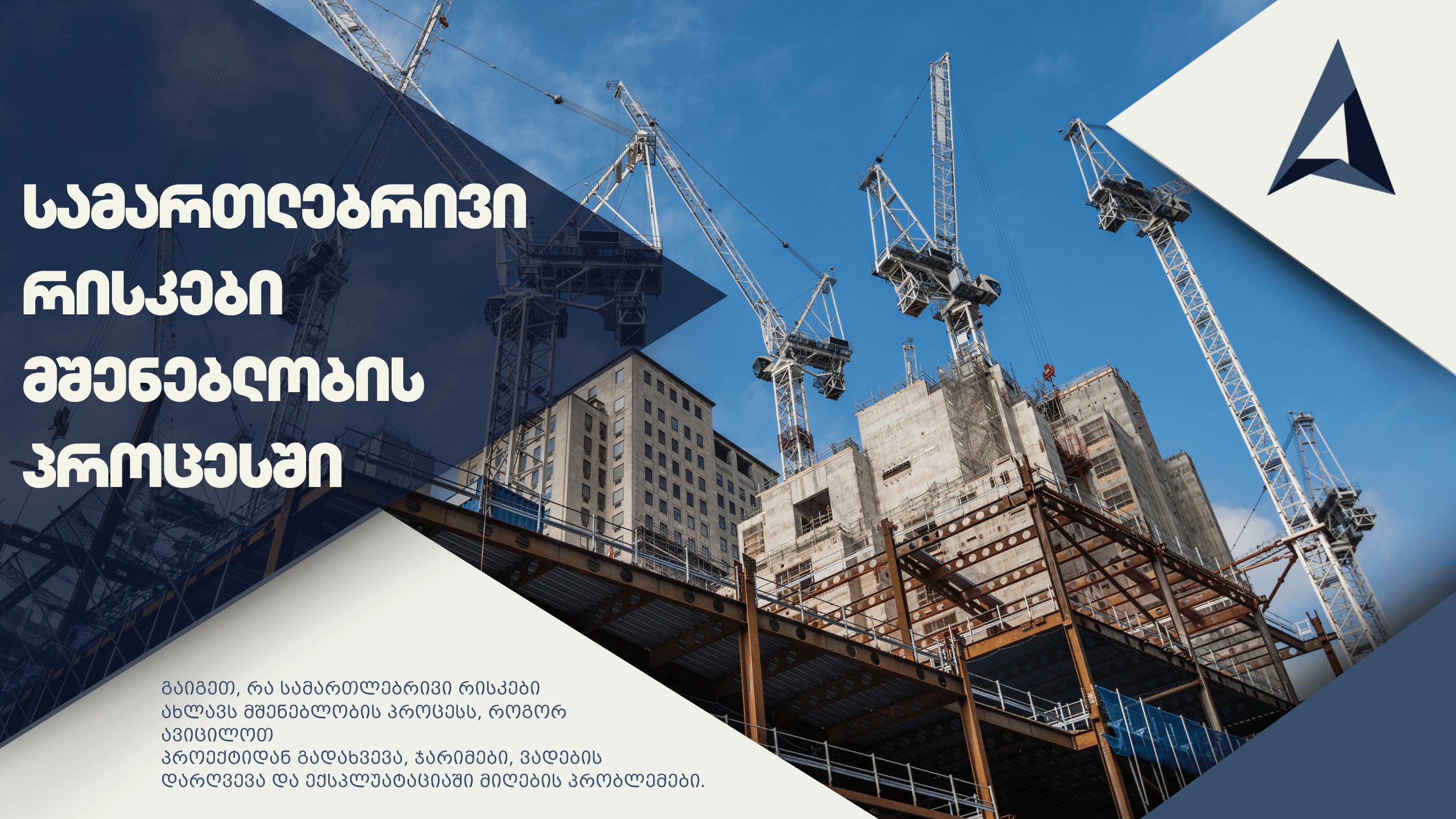
Construction is more than just managing architectural ideas, budgets, and deadlines. It's a process where every decision can have legal, technical, and financial consequences.
Often, problems arise even when construction seems to have started correctly—a permit exists, the project is approved, and work is underway. However, an unplanned change introduced during the process, neglecting milestone documentation, or violating safety requirements can lead to fines, construction halts, the need for additional expertise, refusal of commissioning, and in some cases, even the necessity to alter or demolish already completed parts.
Therefore, managing legal risks should begin not after a problem arises, but from the very first stage of construction.
Risk begins even before construction.
Many problems encountered during the construction process actually stem from an inadequate assessment of the land plot or initial documentation.
Before design and the permitting process begin, it's crucial to assess the land plot's functional zone, development potential, existing restrictions, engineering networks, geological conditions, and surrounding development. If these issues are not analyzed in advance, the project may later prove to be economically unprofitable, technically complex, or legally restricted.
Construction Permit is an important document, but it doesn't mean that any change during the process is automatically permissible. The permit defines the object's function, duration, class, construction stages, and permit conditions, compliance with which is the permit holder's obligation.

Deviation from the approved project is one of the highest risks.
During construction, there's often a desire to change floor height, facade, apartment layout, structural elements, engineering networks, or the building's area. Such changes might seem minor at first glance, but a change implemented without legal assessment can impact the entire project.
Violating the approved project means that construction is no longer proceeding based on the documentation under which the permit was issued. This can lead to a breach of permit conditions, fines, work stoppages, or problems arising during the commissioning stage.
Legislation allows for certain minor changes, but only when they do not violate technical regulations, conditions for using the land plot for construction, development requirements, and the rights of third parties. For example, adding a new floor, changing the object's function, or making a substantial change to the area already requires a new legal and permitting process.
Therefore, the main principle is: First, the legal and technical permissibility of the change must be assessed, and only then should it be implemented in construction.
Milestone Protocols Are Not a Mere Formality
One of the most crucial mechanisms for construction control is the proper compilation and submission of milestone protocols.
Construction proceeds in stages—earthworks, foundation, structural system installation, roofing, engineering networks, and so on. At each significant stage, it must be documented whether the completed work complies with the approved project and permit conditions.
For Class II, III, and IV buildings and structures, the milestone protocol must be submitted to the relevant authority before the completion of the next stage, and the document gains legal force after registration. Responsibility for the accuracy of the protocol lies with the person who compiled it.
In practice, it's common for construction to be underway, but the stages are not properly documented. As a result, at the commissioning stage, additional expertise, confirmation of compliance with permit conditions, and payment of fines may be required.
Properly planned technical and legal control will help you avoid much more costly and prolonged problems in the future.
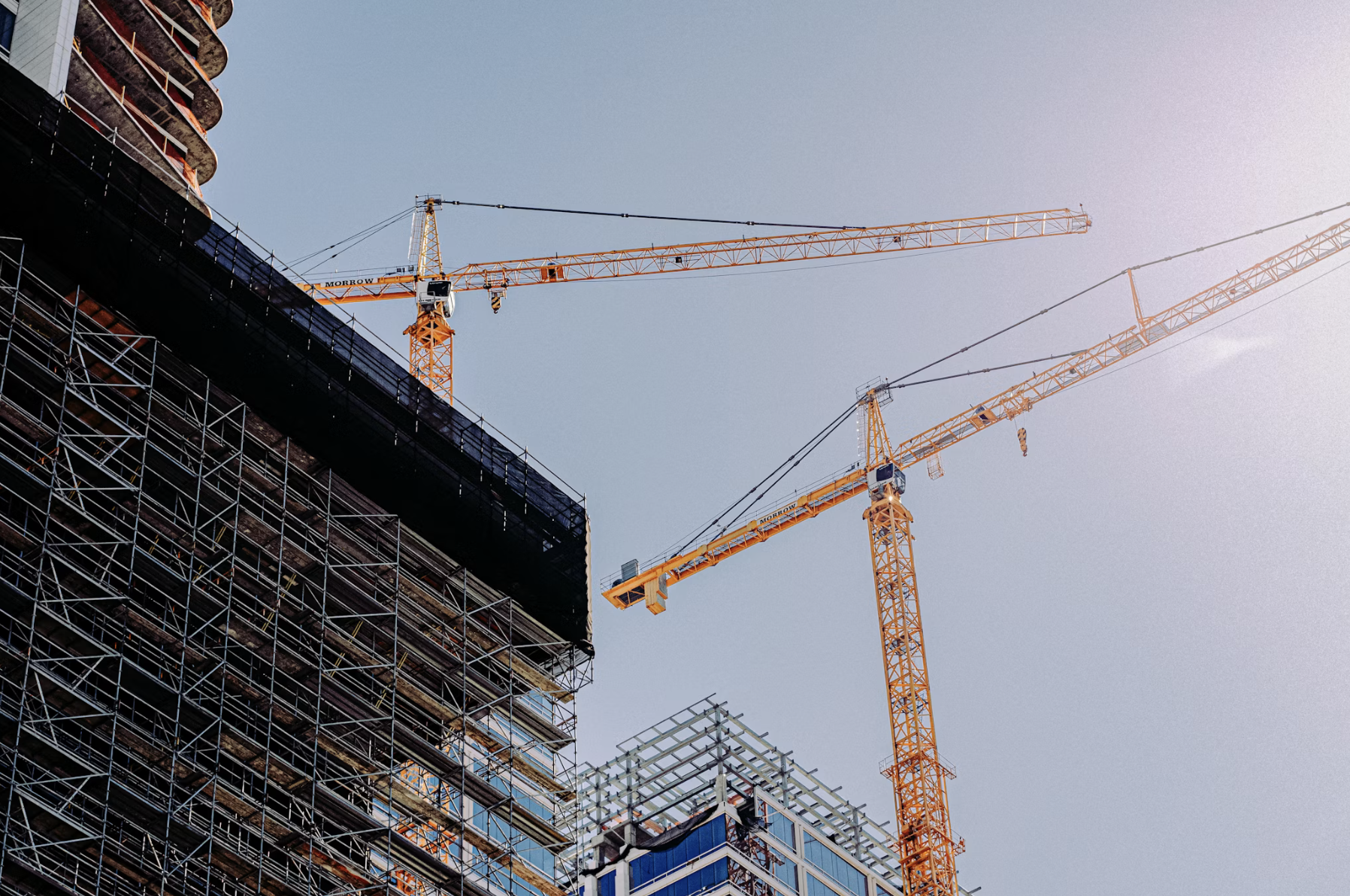
Occupational Safety — Legal and Human Responsibility
Adhering to safety requirements during construction is not merely a formal obligation. It concerns the life and health of both employees and people in the surrounding area.
The Occupational Safety Law applies to all sectors of economic activity and obliges employers to create a safe and healthy working environment. This includes risk assessment, implementation of preventive measures, informing, and proper organization of safety.
Disregarding safety regulations can lead not only to administrative sanctions but also to construction halts, financial losses, and in severe cases, threats to life and health.
Neglecting deadlines can turn into a project problem
Controlling the deadlines specified in the construction permit is essential. The permit holder is obliged to carry out construction within the established timeframes and to submit the completed object for the relevant procedure in a timely manner.
If the construction process stops for more than six months, the object must enter a conservation regime. Conservation involves ensuring the stability, safety, sanitary conditions, and protection of the surrounding area of the object. After submitting the conservation act, the permit's validity period is considered suspended.
Suspended construction must not be left unprotected. Controlling the safety of foundations, excavations, structures, building materials, and the site is particularly important.
Commissioning — The Final Test
Commissioning means establishing the final compliance of the completed building with construction and permit conditions.
If the object is built in violation of the project, milestone protocols are not submitted, significant structural or architectural elementshave been changed, or safety requirements are violated, the commissioning process becomes complicated.
For commissioning, among other documents, milestone protocols, final measurements, photographic materials, a cadastral survey drawing, and, if necessary, test reports for technical equipment are required.
That is why you should think about commissioning not when construction is complete, but from the very first working day.
Most Common Mistakes in Practice
Problems are most often caused by:
- Superficial assessment of the land plot and development potential;
- Arbitrary deviation from the agreed project;
- Lack of prior legal and technical assessment of changes;
- Neglecting milestone protocols;
- Unplanned management of permit deadlines;
- Treating technical and occupational safety issues as mere formalities;
- Delaying preparation for commissioning until the final stage.
How to reduce risks?
To ensure safe and legal management of the construction process, three key principles must be adhered to:
First — preliminary analysis. Assessment of land, regulations, technical conditions, and development potential should be carried out before the project begins.
Second — safeguarding the project. Any changes should be evaluated legally and technically beforehand.
Third — process documentation. Milestone protocols, supervision, safety documentation, and deadline control should be conducted in parallel with the process.
The most expensive mistake in construction is often one that could have been avoided with timely consultation and proper organization.
Architecton provides legal and design support for the construction process — from preliminary analysis of the land plot, through the permitting and design stages, to legal control of construction and commissioning.
.png)
-3.png)
.svg)
.webp)